

The foray of technology in all spheres of life has been no less than revolutionary. And education surely has been a key sector most evolved by technology. Whether it is the interactive whiteboard or Artificial Intelligence-based learning platforms, educational technology or EdTech as it is popularly abbreviated, is transforming how instructors instruct and students learn. Smart classrooms are the core of this revolution. Modern learning facilities have evolved with state-of-the-art equipment to increase engagement, accessibility and improved academic achievements. The replacement of the chalk and talk method of teaching with the digitally enhanced classroom is not a fad, but a paradigm shift to creating a whole new generation of smarter students and practical learning.
What Are Smart Classrooms?
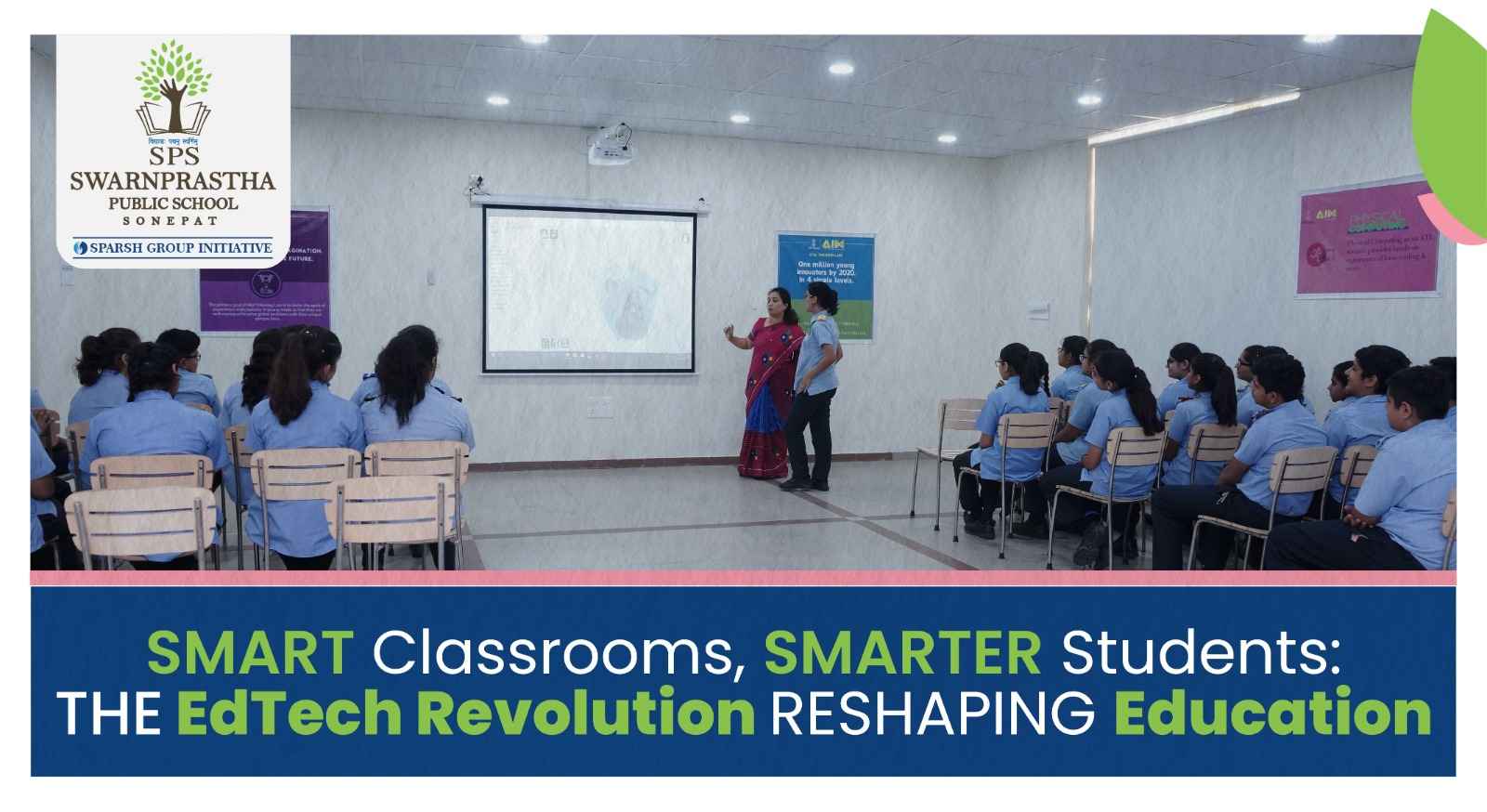
A smart classroom involves technology in every aspect of learning. They usually contain digital screens, high-speed internet connection, interactive projectors, audio-visual facilities and virtual reality environments. The tools aim not to substitute teachers but assist and empower them. The focus is on establishing an immersive, interactive, student-centred learning process. In smart classrooms, students are not only encouraged to listen to lectures passively, but they are expected to read and discuss the material and study the subject further with the help of multimedia sources.
The smart classroom concept goes beyond hardware. It includes a digital environment of learning management systems (LMS), cloud-based storage, real-time assessment and data analytics. These systems allow educators to track student performance, provide personalised feedback and adapt teaching strategies based on individual learning needs.
Promoting Student Engagement and Achievement
Among the key advantages of a smart classroom, the higher engagement of students needs to be mentioned. The interactive whiteboard (touchscreen), digital quizzes, etc. help to make the lesson more interactive and exciting. The audio and video stimulus reaches a diversified learning style, enabling students to grasp challenging concepts conveniently. Moreover, gamification elements, such as the opportunity to get points, badges or any other rewards, will motivate students to become active and regular users.
Studies have proved that students in technologically rich classrooms outperformed their counterparts in terms of academic scores on most occasions. Accessing instant information and an array of digital resources enables them to perform thorough research and acquire critical thinking skills. Group work tools like shared documents and discussion forums encourage teamwork and communication skills, essential to succeed in the 21st century.
Personalised Learning With Technology
Personalised learning is another practical aspect of EdTech. No two students have similar learning speeds or learning styles and technology assists in smoothening out these differences. Depending on how the student performs, the adaptive learning software can adjust the complexity of the questions. Equally, video lessons enable students to pause, rewind or replay challenging subjects until mastered.
This personalised model is tailored especially for students requiring extra attention. The performance data enables teachers to recognise learning gaps and provide instruction based on those gaps. Such customisation not only improves academic performance but also produces more self-confident students.
Educators' Professional Development and Empowerment
Although students are the primary beneficiaries of smart classrooms, teachers also greatly benefit. EdTech tools also decrease teacher administrative burden by automating administrative tasks like attendance, grading and report generation. What is more important is that these tools can give practical information about student behaviour and performance that can help educators make informed decisions based on data.
Additionally, these platforms include continuous professional development. Teachers can improve their digital literacy and pedagogical capabilities through online workshops, didactic videos and peer networks. This culture of constant learning will leave educators sufficiently prepared to engage with the changing world of education.
The Digital Divide
One must also consider the challenges of realising EdTech, particularly in regions that have limited digital infrastructure. Narrowing the digital divide needs focus, funding and partnership amongst schools, governments and technology providers. However, when appropriately wielded, EdTech can make the education system democratic, making quality learning resources the common denominator of all students regardless of their location or socio-economic status.
A Blended Future
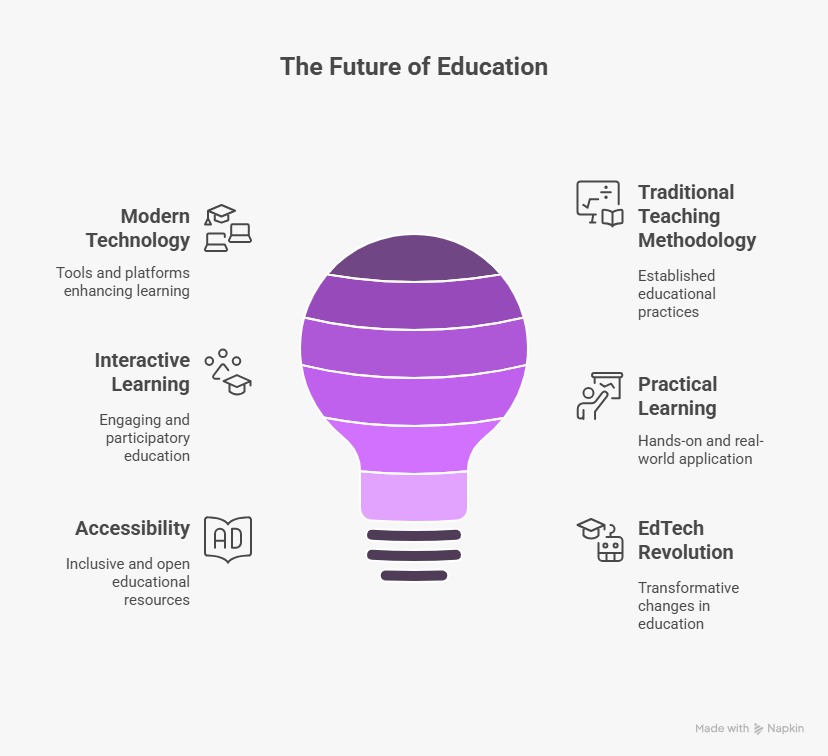
With schools in Sonipat Haryana gradually adjusting to the digital era, the future of learning is becoming increasingly blended. A balance between modern technology and traditional teaching methodology will be established to make the learning process more inclusive. A smart classroom is not a substitute, but an addition or improvement of conventional classroom-based learning, making learning more interactive, practical and accessible.
The EdTech revolution is not about gadgets or gimmicks. It is rather about meaningful changes that can lead to improved learning outcomes and prepare students to face future challenges. Schools that are adopting this change are not only keeping abreast of the current times, but they are also defining the future of education.
Conclusively, Swarnprastha Public School is one of the proud examples of how a smart classroom can enhance the teaching and learning process. By investing in the best educational technologies, Swarnprastha Public School is raising a generation of brighter, more competent students, who can take on a more digitalised world.
FAQ
1. What role do teachers play in a technology-enhanced classroom?
Teachers at Swarnprastha Public School play a central role in an innovative classroom environment. Technology is a supportive tool, allowing educators to deliver content and dynamically assess student progress in real time. Teachers use EdTech resources to personalise instruction, track learning outcomes and create a collaborative atmosphere, encouraging active student participation.
