


Parenting is no longer an easy task. With the invasion of technology, social media and several other distractions in life, parenting is indeed becoming increasingly complicated. This digital disruption in our everyday lives has introduced new aspects to child-rearing. Parents are overwhelmed; they struggle to balance instilling good values in their children's lives with controlling their children's exposure to technology. In this situation, boarding schools serve as the ideal setup, which not only minimise screen menace, but equally boosts a child’s confidence, instils discipline and self-reliance and at the same time exposes children to a variety of extra-curricular activities, sports and community services. So much is usually not possible in day schools, where commuting takes up a lot of time and there is not enough time to pursue loads of activities beyond academics. Boarding Schools are therefore getting a new lease of life, as it is no longer considered an alternative approach to education, but a methodically organised solution to the current problems of raising children.
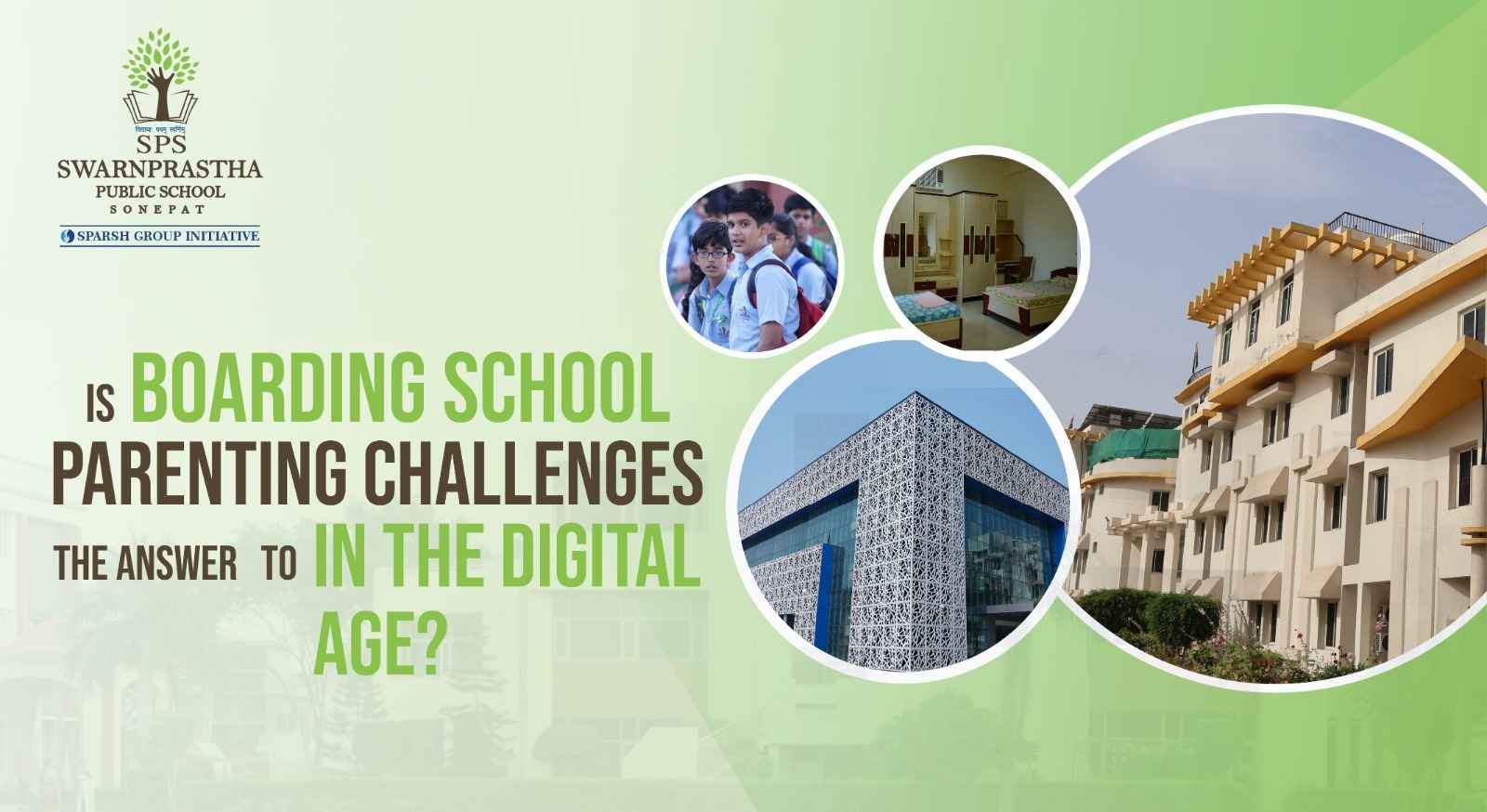
The New Parenting Landscape
The modern world has undergone a radical transformation in the environment in which children live. With the ever-growing presence of smartphones, tablets and internet access, children are getting exposed to large amounts of information, both positive and negative. Online distractions tend to influence focus, physical movement, socialisation and even sleep. In the meantime, parents who work often lack the time and resources to monitor their children's use of digital technologies, in maintaining a schedule and do not have the bandwidth in supporting a healthy lifestyle simply because of their paucity of time.
These difficulties have led people to rethink boarding schools, not because of tradition or necessity, but because it is a deliberate change aimed at fostering more holistic growth in a well-structured and well-guided environment.
Structure, Routine and Discipline
The structure is considered one of the most significant advantages of a boarding school education. A typical boarding school has a definite schedule and timetable, unlike the chaos that often accompanies home life, where appliances and unpredictable schedules disrupt various activities and routines. Regular wake-up times, studying, meals and recreation time instil discipline in time management, which starts at a very early age in students.
This uniformity also helps keep the children focused, reduces their screen addiction and fosters a lifelong habit of discipline. Students are nurtured and guided by experienced teachers and wardens, thereby promoting responsibility and self-discipline.
Safe and Supervised Digital Exposure
In contrast to the assumption that boarding schools isolate children from technology, most modern boarding schools utilise technology in a sagacious manner. The discrepancy is in the degree of supervision and goal-oriented usage. By limiting unstructured internet use and providing screen time schedules, students learn how to use technology in a healthy and positive manner.
Digital literacy is an inevitable part of the world today; yet, being aware of when to shut down is crucial as well. Boys boarding school in Delhi NCR, like Swarnprastha Public School, provide the environment in which this balance can be learned and strengthened on a daily basis. In such structured settings, students are guided not only in the responsible use of digital tools but also in the importance of offline engagement and mental well-being. Boarding schools are much more likely to produce mindful consumers of technology as opposed to blind technology consumers, fostering healthier tech habits for life.
Fostering Independence and Emotional Resilience
With easy access and every demand being addressed rapidly in nuclear families, learning resilience and independence is not built in most children. In boarding schools, students are taught to respect time, handle their belongings, make decisions and solve their problems without having to contact their parents all the time.
A communal living environment contributes to the development of interpersonal skills, sensitivity and conflict resolution as well. Emotional maturity and resilience are two of the most negatively affected aspects in nuclear families with unmanaged screen time exposure. Such traits can be achieved through learning to live with different people from diverse backgrounds, sharing responsibilities and taking control of various adversities outside of the comfort of home.
A Holistic Educational Experience
The all-round development of students is given considerable attention by all reputable boarding schools today. In addition to academics, boarding life incorporates co-curricular activities, sports, life skills and moral teachings. This is a balanced approach that ensures that children are not only academically proficient but also physically active, socially conscious and emotionally intelligent.
Boarding schools can also offer high-quality amenities, personal coaches and a well-rounded campus experience that is challenging to replicate at home.
Conclusion
Although sending your child to boarding school might not be the answer for every family, it has a strong appeal in addressing the numerous issues that parenting in the digital age presents. The systematic environment, controlled exposure to the internet, emphasis on overall growth and instillation of independence and discipline make boarding schools a more feasible solution for contemporary families, especially with both parents working.
Parents who need a school that will alleviate the stresses of modern parenting will find boarding facilities at Swarnprastha Public School a great solution. Swarnprastha Public School, with its caring staff, modern campus and emphasis on character-building, is a shining beacon to families seeking a more balanced and progressive approach to raising children in the Digital Age.
FAQ
1. How does a boarding school help reduce screen time for students?
Boarding schools maintain strict digital usage policies, limiting recreational screen time and ensuring that students engage with technology in purposeful ways under supervision. This structure helps students develop healthier digital habits.
